With so many ways to decorate custom apparel and products, how do you choose the right one? Each method has its own benefits. In this blog, we’ll explain the most popular decoration methods to help you decide what works best for you.
First things first, what is decorating?
Decorating means customizing a promotional product to show a logo or marketing message.
What are the types of decoration methods?
There are lots of ways to decorate all kinds of promotional products. Can you guess how many options exist?
- Embroidery
- Screen Printing
- Heat Transfer
- Debossing
- Laser Engraving
- Custom Patches
- Foil Stamping
- Digital Printing
- 3D Puff Embroidery
- Pad Printing
- Applique Embroidery
- Vinyl Transfer
- and more!
Breakdown of Decoration Methods
Have you ever wondered how these decorating methods work? Let’s look at some of the most popular techniques.
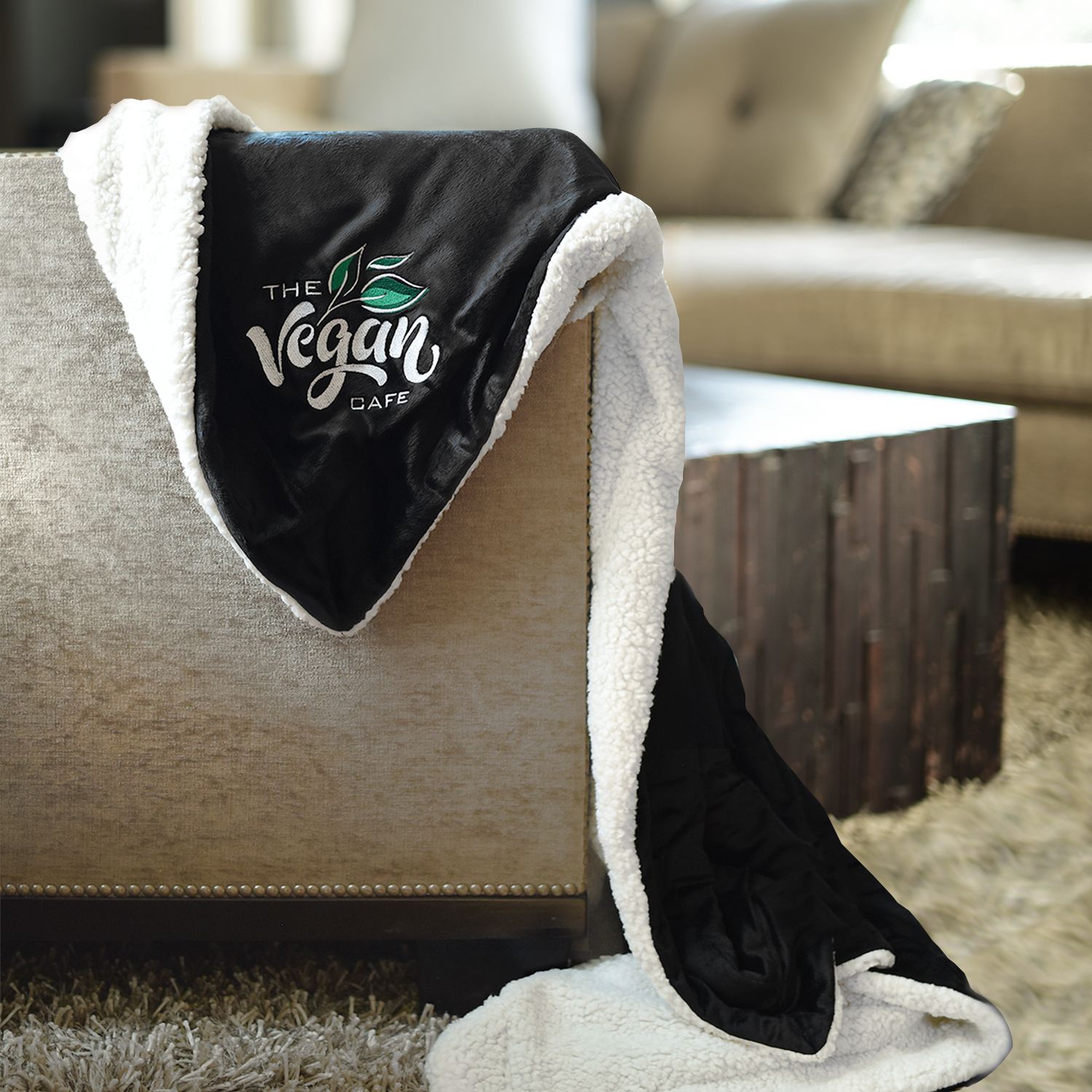
What is Embroidery?
Embroidery is a technique that uses a needle and thread to stitch a design onto fabric or other fibrous materials. First, the logo has to be "digitized"; essentially, this is a process that converts a logo image into a stitch file for an embroidery machine, using the design's colors and details. After that, the correct thread colors are selected, a trial stitch-out is performed, and embroidery machines are used to stitch your logo precisely to the requirements in the final digitized file.
This method works well for custom polo shirts, hats, jackets, backpacks, and towels.
What is Screen Printing?
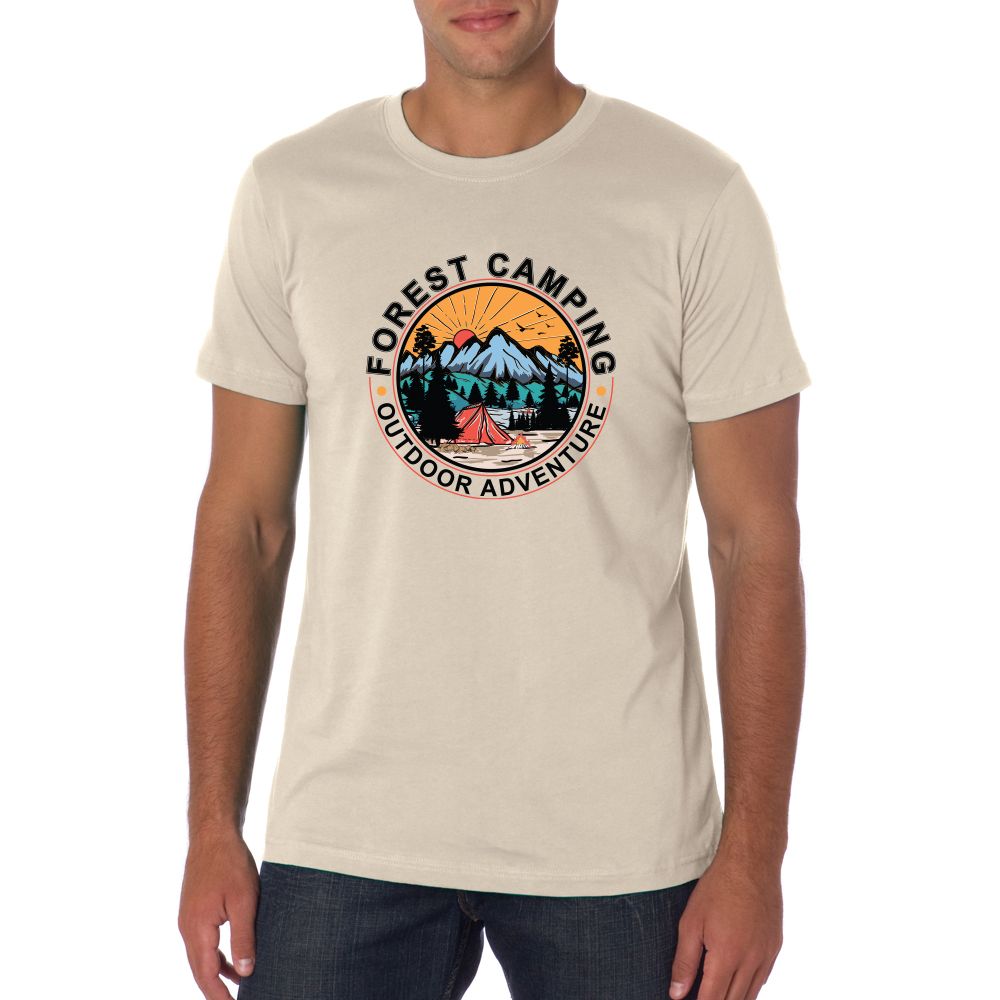
Screen printing is like using a photographic stencil. A stencil is made on a mesh screen, and then layers of ink are pressed or scraped over it, transferring your logo or design onto the product below. The ink only goes through the open parts of the stencil. This method is very versatile and works on many different items.
It’s great for custom t-shirts, activewear, drinkware, pens, and notebooks.
What is Heat Transfer Printing?
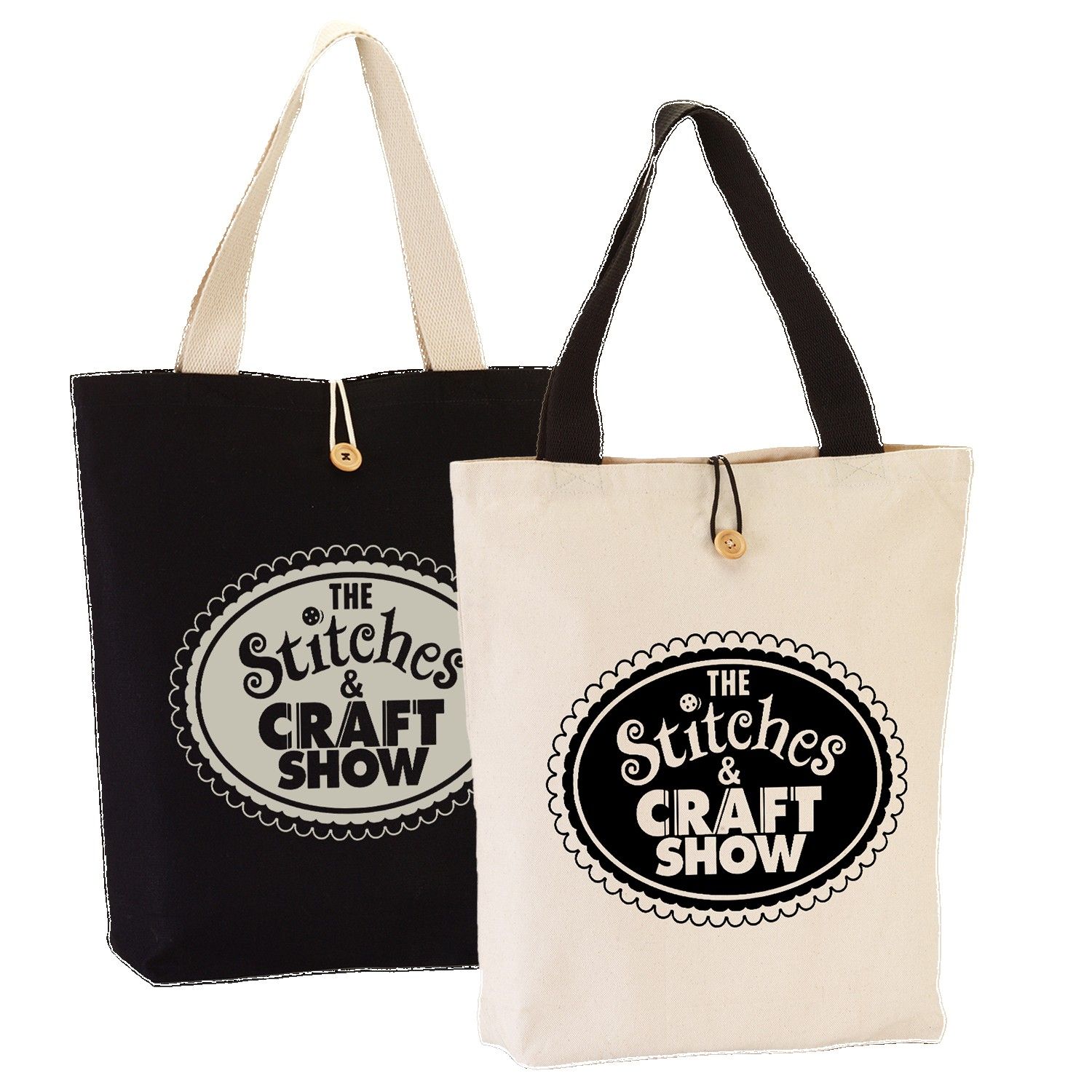
Heat transfer, sometimes called vinyl or digital transfer, is an affordable way to add designs with unlimited colors. This method uses heat or pressure to move an image onto a product or piece of clothing. The two main types use either vinyl or ink.
This method is ideal for custom t-shirts, activewear, sweatshirts, backpacks, teamwear, and uniforms.
What is Debossing?
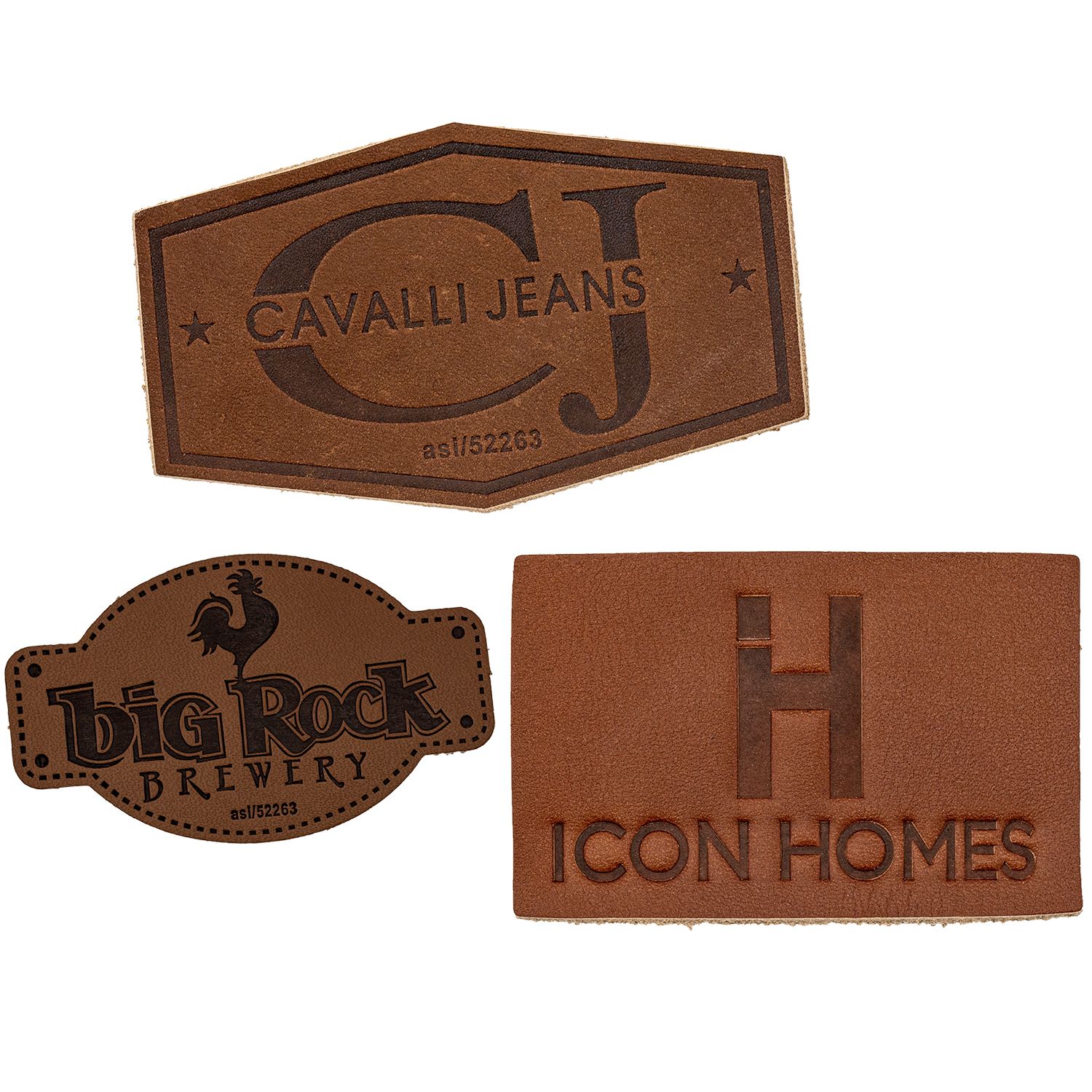
Debossing adds a 3D effect to your logo. Metal dies shaped like your logo are pressed into the product using heat and pressure, creating an impression in the material. This method gives a stylish, high-end look and works especially well on leather.
It’s ideal for notebooks, home goods, leather items, and waterproof apparel, but it can’t be used over seams or zippers.
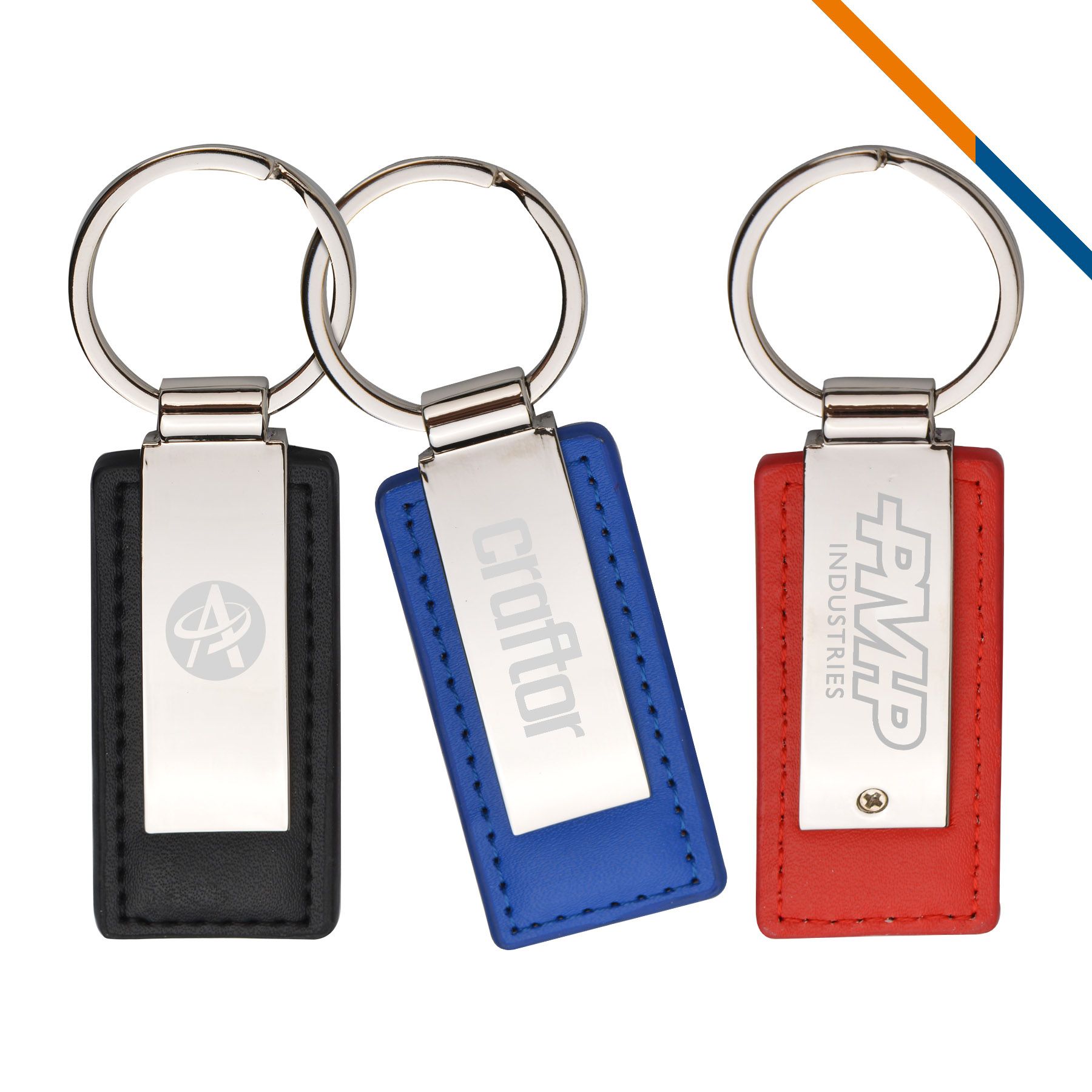
What is Laser Engraving?
Laser engraving uses a laser to remove a thin layer of material or dye from the surface. By changing the laser’s intensity and speed, you can create detailed designs with sharp clarity and precision.
This method is perfect for custom pens, drinkware, and tools.
What are Custom Patches?
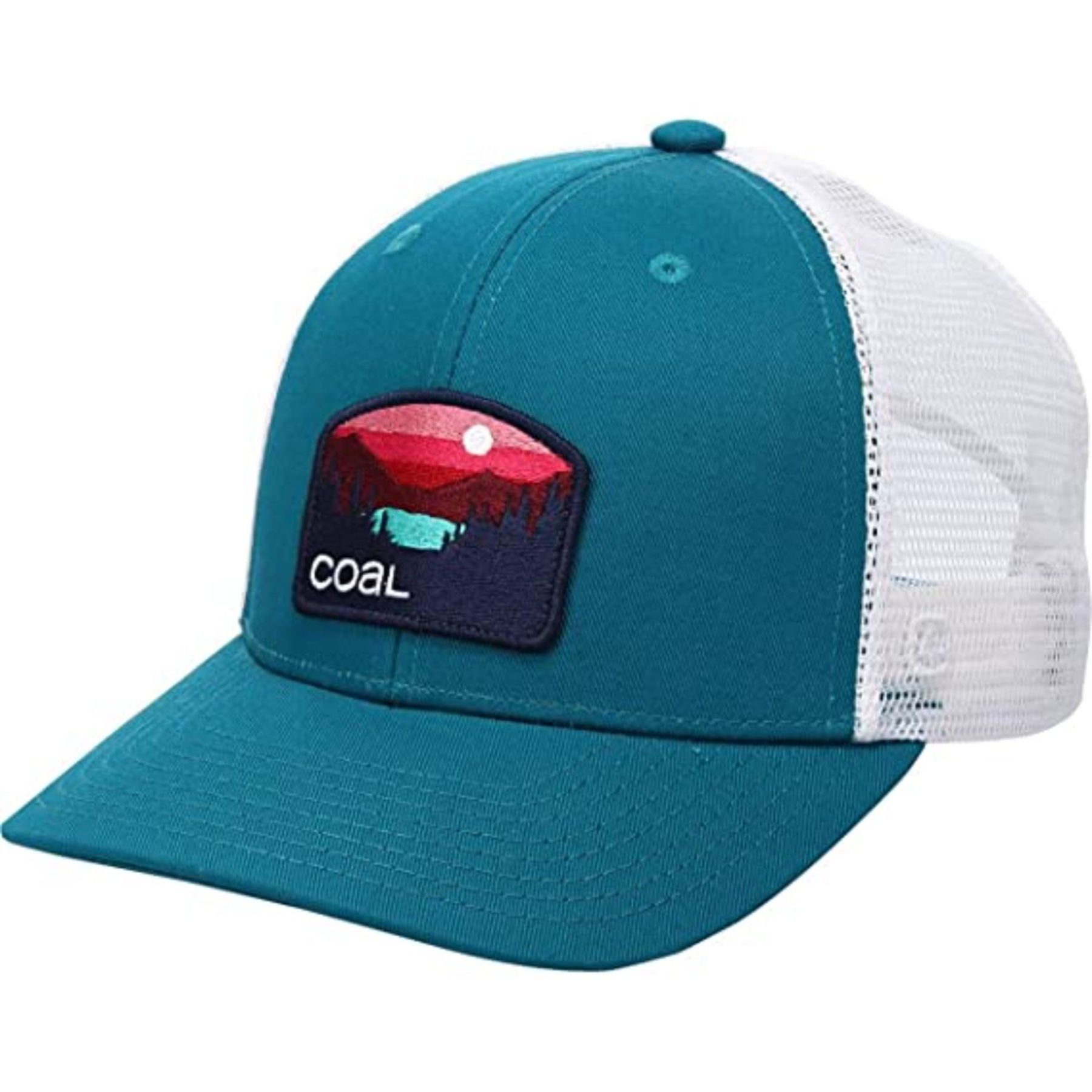
Custom patches add texture and depth to your logo. You can have a logo debossed on a leather patch and then sewn onto the product, or create an embroidered patch and attach it with heat transfer.
They’re especially popular for hats.
What is Foil Stamping?
Foil stamping is a special printing process where a metallic or colored foil is heated and pressed onto a surface, leaving a thin layer of foil behind. Metallic foils are usually gold or silver, while colored foils are often red or black.
This method is great for custom stationery, business cards, and invitations, but it’s not suitable for clothing.

What is Digital Printing?
Digital printing, also called direct-to-garment (DTG) printing, works a lot like printing a document from your computer. You can use any number of colors or types of artwork, and the image is printed right onto the material. Unlike embroidery or screen printing, digital printing lets you create full-color, high-quality logos at a good price, even for small orders.
It’s a great choice for smaller orders.

3D Puff Embroidery
3D puff embroidery uses a foam pad, or “puff,” placed on a product. An embroidery machine sews the outline of your logo or design over the foam. Afterward, the extra foam is removed, leaving a raised, 3D effect.
This method is ideal for custom hats, sweatshirts, and workwear, but it’s not recommended for lightweight fabrics.

What is Pad Printing?
Pad printing transfers ink from a silicone pad onto the product’s surface. It’s like a more advanced version of stamping: the inked pad is pressed onto the item, and then the ink dries in the air.
This method works well for oddly shaped items, ice packs, golf balls, and stress balls.

What is Laser Appliqué Embroidery?
Laser appliqué embroidery, or digital appliqué, mixes the 3D feel of embroidery with the look of full-color printing. This method lets you print full-color photo images right onto a single layer of twill.
It’s a great option for custom hoodies, jackets, uniforms, and team wear.

What is Vinyl Transfer?
This process uses heat to attach a vinyl sticker to fabric. Vinyl feels soft, stretches well, and is strong enough for sportswear.
It’s ideal for custom t-shirts, activewear, hoodies, and backpacks.

Decoration methods are key to the successful personalization of promotional products. Without them, we would live in a brandless, imageless world!